
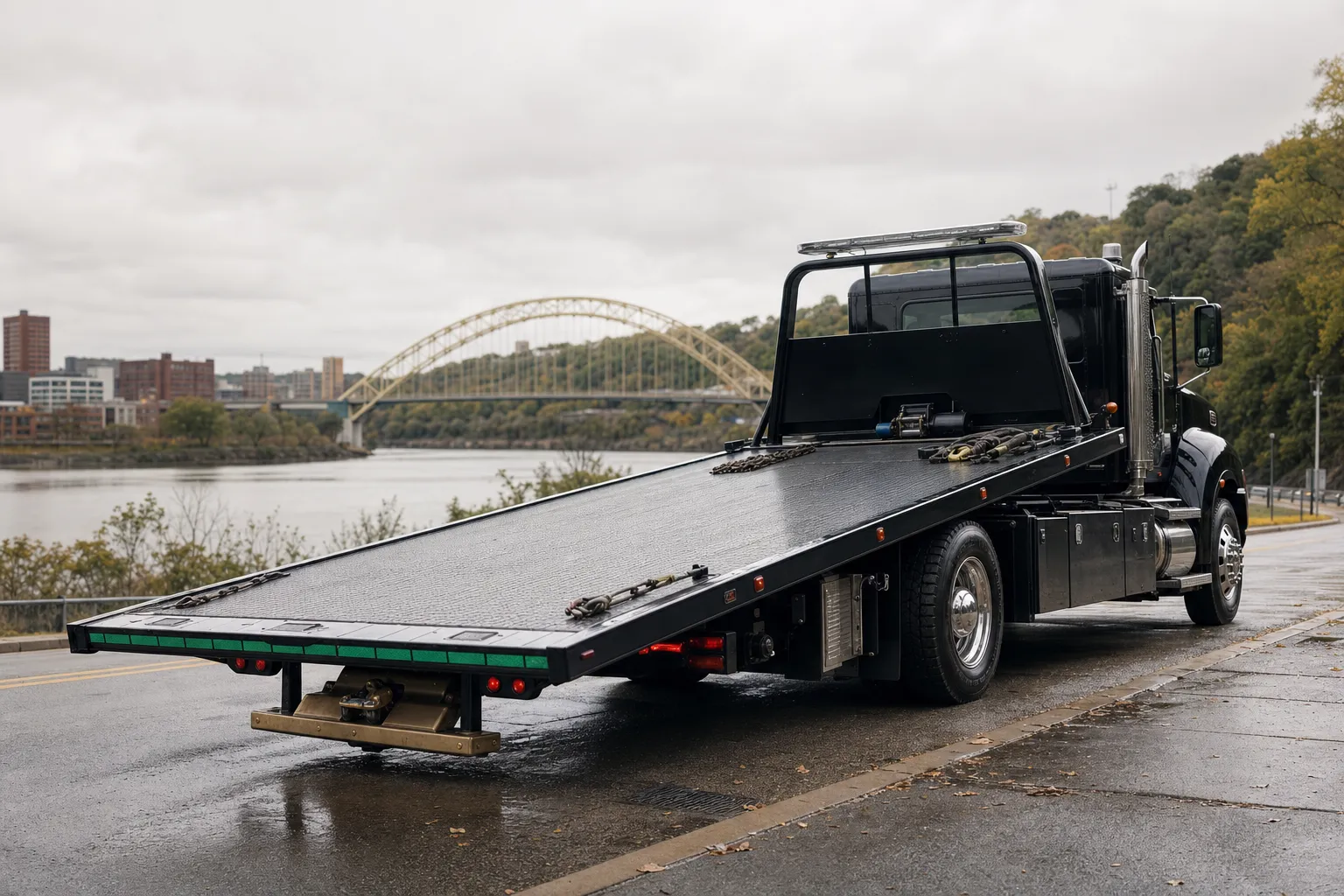
If you see cuts, bulges, rapid air loss, or the car pulling to one side, those are clear tire damage signs and you should stop driving as soon as it is safe. We are Tom Coop LLC Towing and Recovery and we help Mount Washington drivers assess damage, secure the scene, and prepare the vehicle for safe towing.
Common signs that a tire is damaged
Tire problems show up in a few predictable ways. Watch for these symptoms so you can decide whether a tow is the right next move.
- Rapid or repeated loss of air pressure, even after filling the tire.
- Bulges or blisters on the sidewall, which indicate internal cord damage or delamination.
- Visible cuts, gashes, or punctures in the tread or sidewall.
- Objects embedded in the tire, like nails or screws, especially in the sidewall area.
- Severe tread wear, exposed cords, or uneven wear that makes the car pull to one side.
- A vibration, thump, or flapping noise while driving that did not exist before.
Why these signs matter for safety and towing
Tires are the only parts of your vehicle that touch the road. Driving on a compromised tire raises the risk of a blowout, loss of control, and secondary collisions. In many cases it is safer to stop in a protected location and arrange a tow rather than risk driving to a repair shop.
When we prepare a vehicle for towing we look for damage that affects how the vehicle will ride on a tow truck and for loose items that could fall off during transport. Not all tire problems require the same tow method. Minor punctures on the tread can sometimes be handled with a flat tire repair or a short drive to a nearby garage. Structural damage, sidewall cuts, or wheel damage usually means the car needs to be carried on a flatbed or otherwise secured for recovery.
Learn more about how towing type affects transport at our types of towing page.
How Mount Washington drivers should respond right away
If you notice a tire problem while driving in Mount Washington keep these immediate actions in mind.
- Find a safe place to stop. Move off the road into a parking lane, side street, or a well lit pullout. If you cannot reach a safe spot, slow down and put on hazard lights to warn other drivers.
- Turn the engine off and set the parking brake. That reduces the chance of the vehicle rolling while you assess the tire and clear the area.
- Assess without removing the tire. Do a visual check from a safe spot for the signs listed above. Do not try to drive on a severely damaged tire to reach a garage.
- Document the condition. Take a few photos of the tire and the surrounding scene. Photos help insurance or repair shops understand the damage before they arrive.
- Choose the right recovery option. If the tire is flat but the wheel and suspension look intact, a short tow to a nearby repair shop or a flat tire repair on site may be appropriate. If the sidewall is cut or the wheel is bent, request a flatbed or secured transport. We describe tow options at our towing service page.
Watch out: Do not drive on a tire that is bulging, slashing air quickly, or showing exposed cords. Driving even a short distance on that tire can cause a sudden failure and increase damage to the wheel and suspension.
How to prepare your vehicle for a safe tow in Mount Washington
Preparing the vehicle helps reduce handling time and protects your property. Follow these practical steps so a recovery team can secure the car quickly once they arrive.
- Make the vehicle accessible. Move the car to a spot the tow truck can reach without blocking narrow streets or steep driveways. If you cannot safely move the car, leave the hazard lights on so crews can locate you.
- Remove loose items and secure cargo. Take valuables out of the vehicle or lock them in the trunk. Remove roof racks or loose trim pieces that could come off during loading.
- Put the vehicle in park and leave the steering unlocked unless instructed otherwise. This helps operators align the wheels for loading. If your vehicle has aftermarket security or steering locks let the operator know.
- Share key information with the crew. Tell the team if the vehicle has low ride height, locked differentials, damaged suspension, or unique wheel fasteners. That affects how they will attach and tow the car.
- Stay out of the loading area. Keep bystanders clear while the operator works. For your safety do not stand between the vehicle and the tow truck during loading.
Quick preparation checklist
- Turn on hazard lights and park safely.
- Photograph tire and wheel damage.
- Remove valuables and lock the cabin if possible.
- Note any vehicle modifications that affect towing.
- Keep a safe distance while the vehicle is being loaded.
Pro tip: If you are near a repair shop or dealership, tell the towing operator the destination before they arrive. That helps us choose the best tow method and reduces handling time.
What kind of tow might be needed for tire related damage
Tow method depends on the tire and wheel condition. We commonly use these options.
- Flatbed transport for vehicles with sidewall damage, bent wheels, or after a blowout where a wheel would ride poorly on a dolly.
- Wheel lift or dolly for a light duty recovery when the wheel and suspension are intact and the vehicle can roll without causing further damage.
- Winch out service for vehicles that are off roadway or in unusual positions where they cannot be rolled onto the truck.
We match the tow type to the vehicle condition and destination, taking care to protect the tire, wheel, and suspension during loading and transport.
When to call for a tow instead of attempting a roadside repair
Deciding between a quick repair and a tow comes down to safety, location, and the extent of damage. Call for a tow when:
- Sidewalls show cuts or bulges.
- The wheel rim is bent or cracked.
- You are on a busy or narrow road where changing a tire is unsafe.
- The vehicle has multiple tires damaged or suspension damage is suspected.
If you are unsure, arranging a safe tow reduces the risk of a secondary problem. We provide local towing and flat tire repair services across Pittsburgh and nearby neighborhoods.
What to expect when the towing crew arrives
When our operators arrive they will confirm the condition you reported, position the truck to minimize disturbance to traffic, and secure the vehicle for transport. Operators are trained to protect property and minimize disruption. Expect a short briefing about the tow method, estimated loading time, and the destination for the vehicle.
For more on roadside safety and when to call for towing, see our road side safety tips and when to call towing topics.
Key takeaway
Cuts, bulges, rapid air loss, and severe tread wear are signs of tire damage that make a tow the safest option in many cases. Stop in a safe place, document the damage, secure loose items, and let a trained recovery team handle transport. For details on tow types and related services see our towing service page, types of towing page, and our Pittsburgh location page.
Frequently asked questions
Can I drive a short distance on a flat tire to reach a nearby shop?
We do not recommend driving on a flat unless the shop is directly adjacent and the route is slow and protected. Driving on a flat can damage the rim and suspension, and it increases risk of a blowout. In most cases a short tow is the safer option.
How can I tell if a tire bulge is dangerous?
A bulge indicates internal cord separation and is a structural failure. Bulging tires are unsafe to drive on and should be removed from service. Have the vehicle towed to a shop for replacement or inspection.
What should I do if the wheel is bent after hitting a curb?
A bent wheel can cause vibration and unsafe handling. If there is noticeable wobble or you see damage, avoid driving and arrange a tow so the wheel, tire, and suspension can be inspected properly.
Do you provide flat tire repair on site?
Tom Coop LLC Towing and Recovery offers flat tire repair and roadside assistance as part of our service mix. Depending on the damage and location we can repair or recommend a tow to a nearby shop.
How long will a tow take to arrive in Mount Washington?
Arrival time depends on traffic, the time of day, and other calls in the area. We route the closest available operator and work to reach customers promptly while maintaining safe operating procedures. For typical response expectations see our roadside service coverage topic.
Learn more and check our local presence
Read customer reviews and get directions on our Google Business Profile, and find out more about what we do by browsing our services and topics pages.