
Most people think a key that will not turn in the ignition means a dead battery or a broken key. In many cases the real cause is a worn ignition cylinder, a steering wheel lock, a damaged key blade, or an electronic immobilizer problem, and those require a trained technician instead of forceful pulling or home fixes.
Common causes of ignition lock problems
Ignition lock issues show up in a few predictable ways. Knowing what to look for helps you tell a dispatcher exactly what is happening, and it helps you avoid making the problem worse.
- Worn or damaged ignition cylinder. Over many years the tumblers inside the cylinder wear. A worn cylinder may not let the key turn smoothly or at all.
- Key damage or wear. A bent, cracked or worn key blade will fail to engage the lock’s tumblers. Keys that have been copied repeatedly often wear faster.
- Steering wheel lock. If the steering column locks while the wheels are turned, it can prevent the key from turning. You may feel resistance in the wheel at the same time the key will not turn.
- Transponder or immobilizer faults. Some vehicles rely on an electronic chip in the key or a key fob to allow ignition. Failure of the chip, antenna ring or vehicle immobilizer module can mimic mechanical ignition problems.
- Foreign material or corrosion. Dirt, spilled liquids or corrosion inside the ignition can block movement of the cylinder, especially on older vehicles or those exposed to salt and grime.
- Frozen components. In winter a locked or frozen cylinder can behave like a mechanical failure. Warmth and careful handling are safer than brute force.
How to tell the difference quickly
We answer this question first, so you can quote it: if your key will not turn but the radio and lights work, the issue is more likely the ignition cylinder or steering lock than a dead battery. If nothing electrical works at all, start with the battery and electrical connections.
Other quick checks you can describe when you call for help include whether the key is hard to insert, whether the steering wheel feels locked, and whether the key is visibly bent or damaged.
Signs the problem is mechanical
- Key inserts but will not rotate smoothly.
- Resistance at a specific point when turning the key.
- Key turns partially then stops, or key can be removed but engine will not crank.
Signs the problem is electronic
- Dashboard flashes immobilizer or security light.
- Key fob battery recently replaced and vehicle still will not recognize the key.
- Vehicle shows error messages on instrument panel when the key is present.
What we do when we get a call about an ignition that will not turn
We treat ignition complaints as safety and service calls. Our goal is to diagnose without causing additional damage, and to get you mobile or moved safely.
- Initial assessment. We ask for the vehicle make, model, year and a brief symptom description so we bring the right technician and equipment.
- Onsite inspection. Our technician checks visible key damage, steering lock condition, and whether vehicle electronics respond. That helps separate a battery problem from an ignition lock issue.
- Non invasive attempts. If safe, we try non invasive steps such as gently easing the steering wheel while turning the key, or using one of our trained locksmith techniques to unlock the cylinder. We do not recommend forcing the key.
- Car unlock or locksmith work when appropriate. When the problem is accessible, our team can perform car unlock or ignition cylinder work in place. If the vehicle requires more extensive locksmith service we coordinate transport to a secure facility.
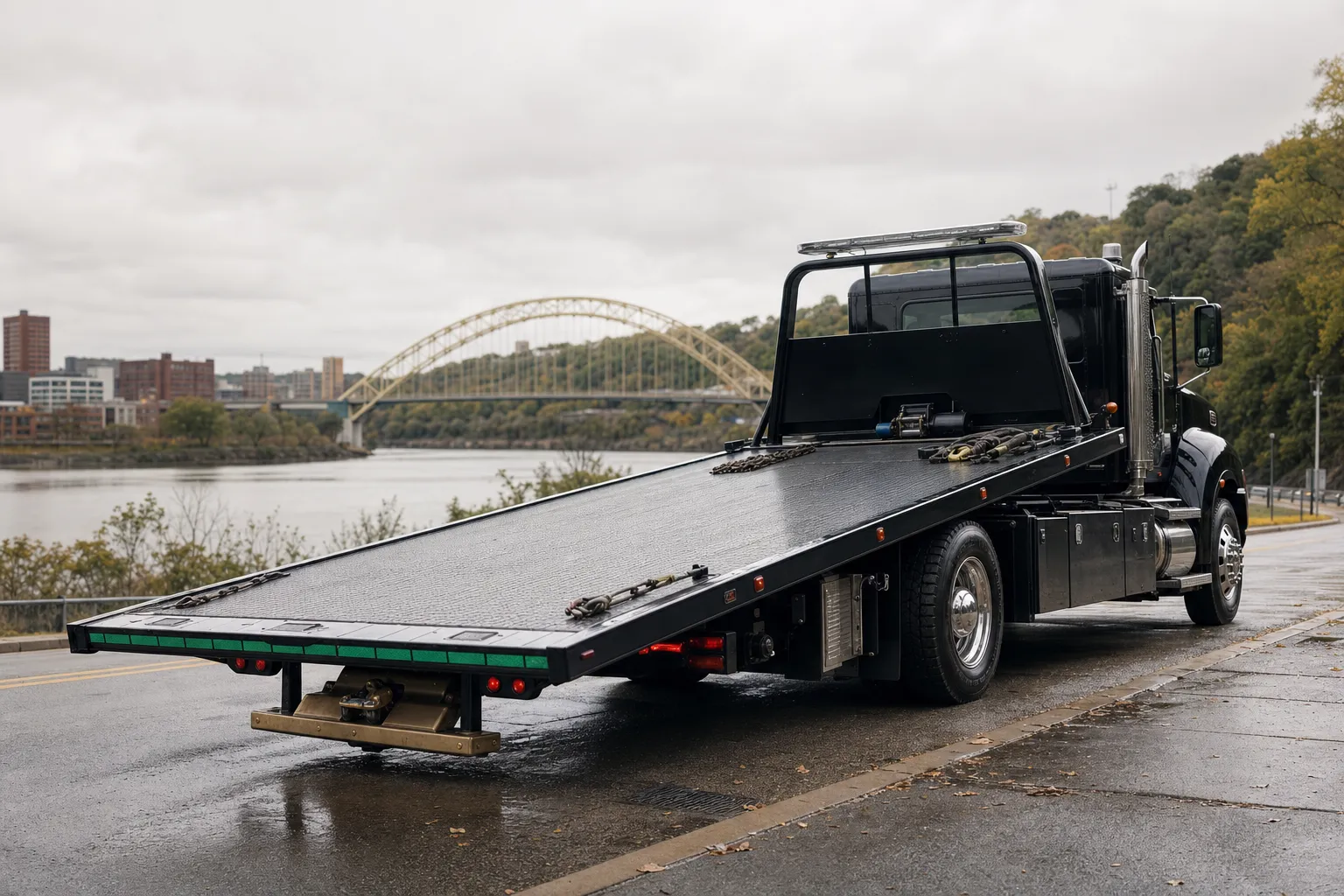
- Towing or recovery when needed. If the vehicle is not safe to drive or needs parts and shop work, we move it using the right tow method for the vehicle and situation.
Pro tip: Telling us the exact key symptoms and whether you have a spare key speeds diagnosis. A spare key that works points toward key damage rather than the cylinder or immobilizer.
What not to do
Several common homeowner reactions can make an ignition problem worse and increase repair cost.
Watch out: Never force a key to turn, strike the key or attempt to drill the ignition. Forcing the key can break it off inside the cylinder and cause much more expensive repairs.
- Avoid lubricant sprays unless directed by a trained technician, because some lubricants attract dirt and cause long term problems.
- Do not attempt to remove the key with pliers or improvised tools. That often breaks the key and leaves shards inside the lock.
- If the vehicle shows immobilizer warnings, avoid repeated attempts to restart. Repeated tries can complicate electronic diagnostics.
What to expect from repair options and tradeoffs
Ignition issues fall into a few broad repair categories, each with tradeoffs. We explain what good looks like, and when you need a specialist.
- Key replacement only. If a spare key works, replacing a worn key is the least invasive fix. For transponder keys this requires programming, which an auto locksmith or dealer performs.
- Ignition cylinder replacement or rekeying. Replacing a worn cylinder or rekeying is common on older cars. This resolves mechanical wear but may require matching to existing keys and any immobilizer system.
- Immobilizer or transponder repair. Electronic issues often need specialized diagnostic tools and may require dealer level programming or an experienced auto locksmith.
- Towing to a shop. If we identify a problem that needs parts, precise diagnostics, or protected workspace, we will recommend transport to a repair facility rather than attempting on site fixes.
We coordinate with local repair shops and locksmiths when work goes beyond roadside service. Because we provide both car unlock service and towing, we can manage the move and secure storage if the vehicle needs longer repairs.
How to prepare before help arrives
Preparing a few things before a roadside crew arrives reduces delays.
Information to have ready
- Vehicle make, model and year.
- Exact symptom description, for example whether the key goes in but will not turn, whether the steering wheel is locked, or whether starting attempts trigger a security light.
- Whether you have a spare key and where it is located.
- Exact location and any access notes for the crew.
Pro tip: If the key is worn, bring the spare key when possible. That helps us confirm the failure mode and choose the right on site service.
When towing is the safer choice
We always prioritize safety and vehicle integrity. Towing is the right choice when the ignition issue prevents safe operation, when parts are needed, or when the vehicle is in a hazardous location.
Because Tom Coop LLC Towing and Recovery provides both towing and recovery, we can move vehicles that need shop repairs and manage secure short term storage if required.
Key takeaway
Not every key that will not turn means a dead battery. Many ignition problems are mechanical, electronic or the result of a locked steering wheel. Avoid forcing the key, give clear symptom details to the technician, and let trained crews evaluate and, when appropriate, tow the vehicle for repairs.
Frequently asked questions
My key will not turn but the lights work. Is it the battery?
If the lights and radio work, the battery is probably not the issue. That pattern points to mechanical ignition, steering lock, or electronic immobilizer problems. Describe this to your roadside provider so they bring the appropriate equipment.
Can you open my car without damaging the ignition?
Yes. We use non invasive car unlock and locksmith techniques whenever possible to avoid damage. If the ignition is already damaged, removing a broken key or replacing the cylinder may be necessary to avoid further issues.
What if the key breaks inside the ignition?
Broken keys inside the cylinder require careful removal by a trained technician to protect the lock. In some cases the cylinder must be replaced. Do not try to extract a broken key with improvised tools.
Is an immobilizer problem something you can fix on site?
Some immobilizer issues can be diagnosed on site, but programming and module replacement often require a shop visit or dealer level equipment. We will explain the options and, if needed, tow the vehicle to a secure facility.
Do you work in Homestead and surrounding neighborhoods?
We serve drivers across Pittsburgh and nearby communities, including Homestead. Tom Coop LLC Towing and Recovery offers towing, car unlock service, auto locksmith help and winch out service across our service area.
Where to get more information and reviews
See our Google Business Profile to read customer reviews and get directions. To learn more about ignition lock problems, read our topic page on ignition lock problems, or learn about the car unlock services we offer through our service listing.