
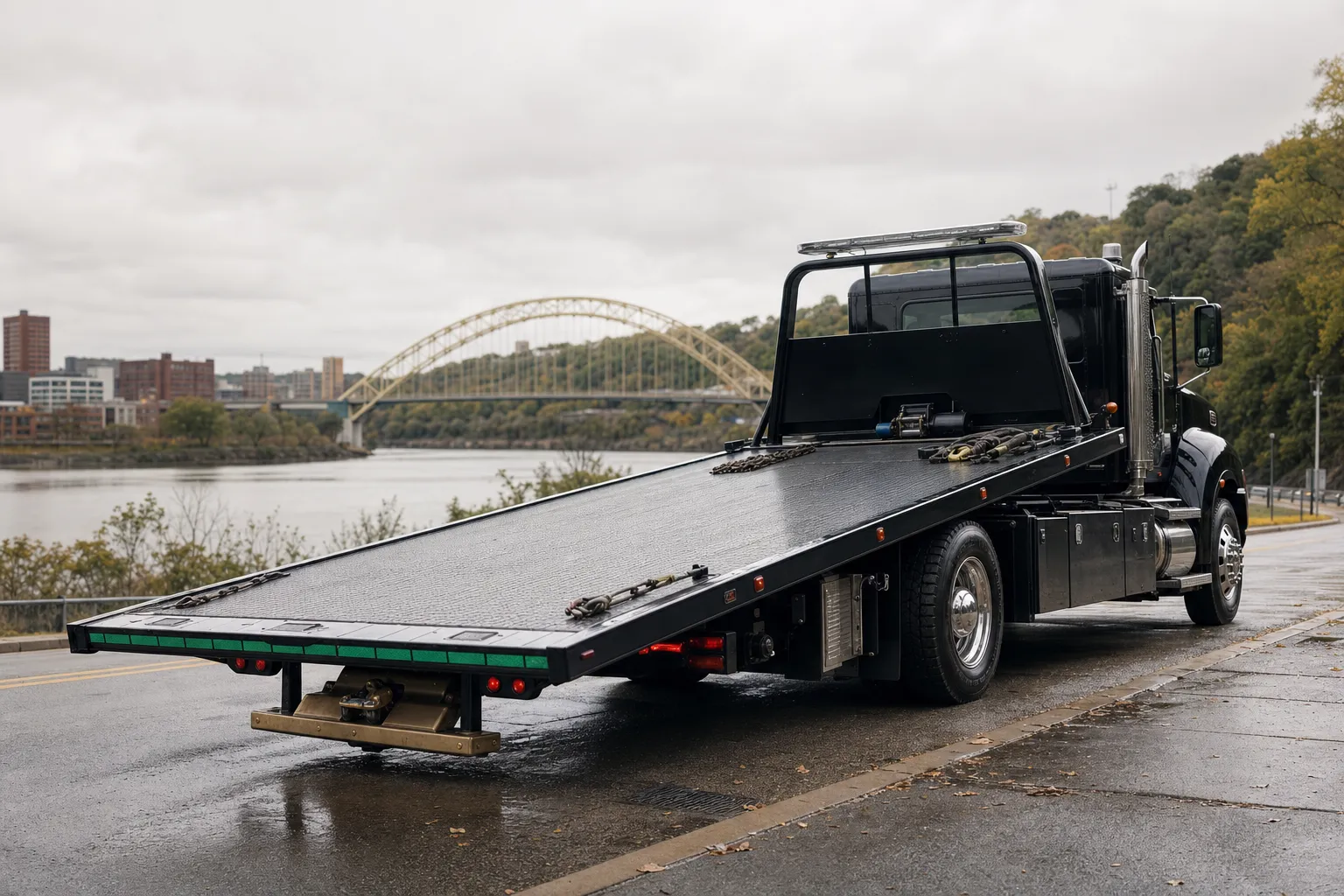
You should request a jump start when the vehicle will not start but there are no clear signs of mechanical damage, strange odors, or electrical faults. Acting quickly often improves the chance a jump start will succeed, but the timing and the situation around the failure change the risks and the right next step.
How timing affects the outcome of a jump start
The window between a battery failure and getting help matters for two reasons. First, a battery that has been deeply discharged for hours or days may not accept enough charge to start the engine, even with a jump. Second, environmental factors such as cold temperatures in Pleasant Hills and greater Pittsburgh reduce battery capacity and raise the chance of failure during a jump attempt.
Prompt attention can avoid a second problem. If you wait while electronic accessories continue to run, the battery can deteriorate and the vehicle may develop additional electrical faults. On the other hand, rushing to force a jump start without checking for other symptoms can create safety hazards or damage electronics.
Common signs a jump start is appropriate
We recommend a jump start when the problem looks like a simple discharged battery and you see these signs:
- The starter clicks or turns slowly but the engine does not start
- Interior lights, dash lights and headlights are dim or do not come on
- There is no smell of fuel, burning plastic, or noticeable smoke
- The vehicle had recent battery drain such as leaving lights on for a short time
When the signs above match what you see, a timely jump start often gets you moving again and prevents a tow. If you are unsure, we can assess the vehicle on scene as part of our Jump Start Service.
When to avoid a jump start and call for a different service
There are situations where a jump start can make things worse or create safety risks. Avoid attempting a jump start if you notice any of the following:
- Strong smell of fuel or visible fluid leaks
- Smoke, melting plastic, or burning electrical odor
- The battery case is swollen, cracked, or leaking
- Repeated failures after recent repairs or signs of starter or alternator problems
- Active immobilizer, security system, or transponder key issues that prevent starting
In these cases we typically recommend a tow or on scene diagnostics. Learn more about when to call towing in our guidance on when to call towing.
How we assess whether a jump start will help
We follow a short professional check before attempting a jump start. That check is designed to protect your vehicle and to pick the right service.
- Visual safety inspection. We look for fluid leaks, battery damage, or signs of electrical failure that would rule out a jump start.
- Symptom review. We ask when symptoms started, what electronics were on, and whether the vehicle has had recent electrical work.
- Battery and charging evaluation. Our operators test visible battery condition and charging system response without starting the engine when possible.
- Service decision. If a jump start looks safe and likely to succeed, we proceed. If there are warning signs, we switch to towing or further diagnostics.
These steps are part of our standard Jump Start Service. When a jump start is not the right choice, our team provides alternatives like a tow, winch out, or auto locksmith assistance.
Watch out: Do not try to start or jump start a vehicle if you smell fuel, see smoke, or the battery case is damaged. Those are signs of a hazardous condition that needs professional handling.
Seasonal and environmental factors to watch
Cold weather makes batteries less effective and increases the chance a jump start will fail. In winter we see more calls from neighborhoods around Pleasant Hills and across Pittsburgh when temperatures drop. Heat and prolonged storage can also reduce battery life.
Professional timing matters more in severe weather. If your car dies on the roadside during extreme cold or heavy rain, your priority should be safety and avoiding prolonged exposure while waiting for help.
What a successful jump start looks like
A successful jump start is more than hearing the engine run. We check that the vehicle starts reliably, that the charging system brings voltage to normal ranges, and that there are no recurring failure signs. If anything looks unstable, we recommend a tow to a repair shop rather than leaving the vehicle at risk.
Related services that connect with jump starts
Jump starts are one part of roadside care. When a jump start is not appropriate, we may provide or suggest other services such as car unlock assistance, flat tire repair, or 2/7 roadside help for extended needs. Learn about our full Jump Start Service and how it fits with towing and recovery.
To see where we operate and which communities we cover, view our locations and service area.
Key takeaway
Timing changes the odds. A prompt, professional assessment improves the chance a jump start will succeed and avoids added risk. When signs point to a deeper electrical or safety problem, a tow or diagnostics is the safer choice.
Frequently asked questions
Can a jump start damage my car?
If a jump start is done correctly and there are no underlying electrical issues, damage is unlikely. The main risks come from damaged batteries, short circuits, or failed alternators. We run a quick inspection to reduce those risks before we attempt a jump.
How long after a battery dies should I wait before attempting a jump start?
If the battery just discharged recently and there are no other warning signs, a jump start right away often works. If the battery has been dead for many hours, or if the vehicle showed other symptoms before it died, a professional evaluation is safer.
What should I do if my car dies in cold weather?
Stay safe and out of traffic first. Cold reduces battery performance, so a prompt professional call increases the chance of a successful jump start. If conditions are dangerous or you see fuel odors or smoke, request a tow or on site diagnostics instead.
Do you offer other roadside services if a jump start is not possible?
Yes. We provide towing, winch out, car unlock, flat tire repair, and other roadside options. Our team chooses the service that protects your vehicle and gets you moving when possible.
Where to learn more and check our availability
For more detail on related situations see our guidance on when to call towing and other roadside topics, and review the Jump Start Service page to learn how we handle battery failures. You can also check Tom Coop LLC Towing and Recovery on Google to read customer reviews and get directions to our service area.